
Trends in Green Building: The Role of Demountable Walls in Sustainable Design
The green building movement has gained significant momentum in recent years, emphasizing the need for sustainable practices in construction and design. A pivotal aspect of this movement is the integration of materials and systems that not only reduce environmental impact but also offer flexibility and efficiency. Demountable walls have emerged as a key component in achieving these sustainable objectives.
The Rise of Sustainable Construction
Sustainable construction focuses on minimizing the environmental footprint of buildings through energy efficiency, resource conservation, and waste reduction. According to the United States Green Building Council (USGBC), as of August 2015, over 13.8 billion square feet of building space have achieved LEED certification, reflecting a substantial commitment to green building practices.
Understanding Demountable Walls
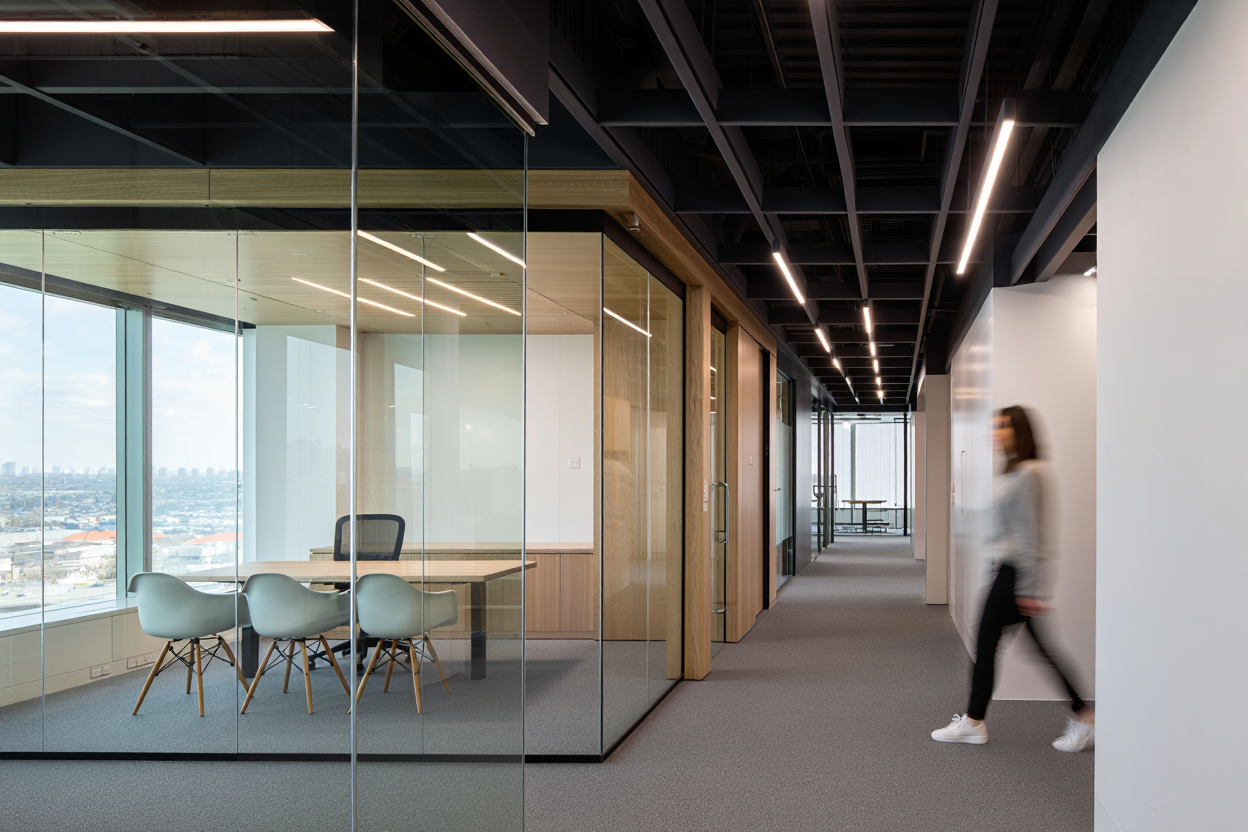
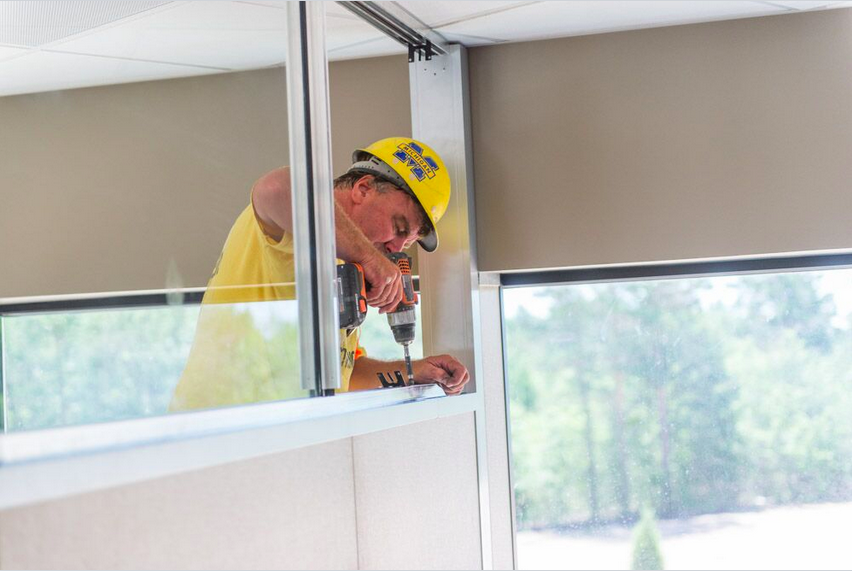
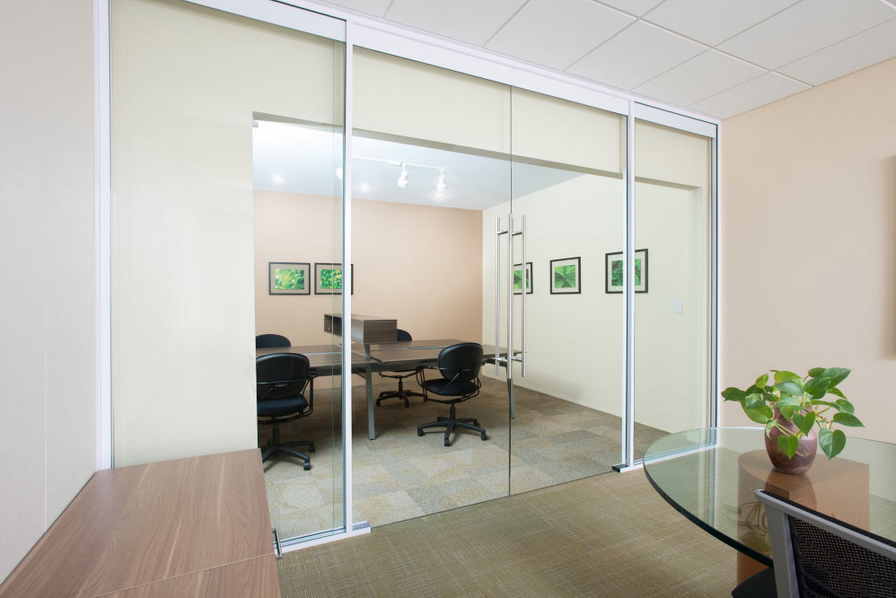
Demountable walls are modular partition systems designed for easy installation, reconfiguration, and removal. Unlike traditional fixed walls, these systems provide adaptability in interior spaces, allowing for modifications without extensive demolition or reconstruction.
Environmental Advantages of Demountable Walls
Incorporating demountable walls into building design offers several environmental benefits:
- Waste Reduction: The United States Environmental Protection Agency (EPA) reported that approximately 170 million tons of construction and demolition debris were generated in the U.S., with 61% stemming from commercial projects. Demountable walls contribute to waste minimization by facilitating reuse and reducing the need for new materials.
- Resource Conservation: By enabling the reuse of partition systems, demountable walls decrease the demand for raw materials, thereby conserving natural resources and reducing the environmental impact associated with material extraction and processing.
- Enhanced Flexibility: The modular nature of demountable walls allows for swift reconfiguration of spaces to meet evolving needs, promoting long-term usability and reducing the frequency of renovations.
Economic and Aesthetic Considerations
Beyond environmental benefits, demountable walls offer economic and aesthetic advantages:
- Cost Efficiency: The growing demand for green building materials has led to an increase in suppliers, resulting in more competitive pricing. In many instances, the implementation of demountable walls is more cost-effective than constructing traditional fixed walls.
- Design Versatility: Available in various finishes and configurations, demountable walls can be tailored to align with diverse interior design aesthetics, enhancing the visual appeal of spaces.
Conclusion
The integration of demountable walls in building projects aligns with the principles of sustainable design by reducing waste, conserving resources, and offering adaptable solutions for interior spaces. As the green building movement continues to evolve, such innovative systems will play an increasingly vital role in shaping environmentally responsible and efficient built environments.