
Strategies for Sustainable Design
The construction industry significantly contributes to landfill waste, with the U.S. Environmental Protection Agency (EPA) estimating that residential and commercial building activities generate over 136 million tons of debris annually. This substantial figure underscores the need for sustainable design practices aimed at waste reduction.
Understanding Construction Waste
Construction and demolition (C&D) waste encompasses materials such as steel, glass, brick, concrete, asphalt roofing, piping, gypsum wallboard, and lumber. Notably, gypsum wallboard and lumber constitute the largest portions of landfilled materials. Waste generation often results from design errors, specification issues, and on-site construction activities.
Strategies for Waste Reduction
To mitigate waste, consider the following approaches:
- Source Reduction: Implement design strategies that minimize material use and waste generation. This includes preserving existing structures, optimizing building sizes, and designing for adaptability to extend a building's lifespan.
- Deconstruction and Material Reuse: Instead of traditional demolition, opt for deconstruction—a methodical process of dismantling buildings to preserve materials for reuse. This approach not only diverts waste from landfills but also conserves resources and energy.
- Recycling: Establish a comprehensive waste management plan that includes recycling C&D materials. Engage with local recycling facilities to understand which materials can be processed and reincorporated into new construction projects.
The Role of Demountable Walls in Sustainable Design
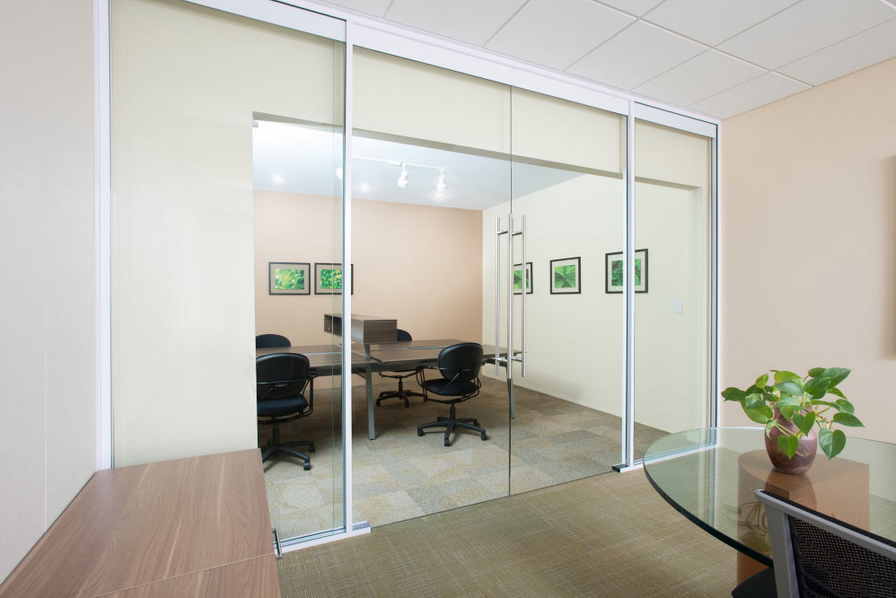
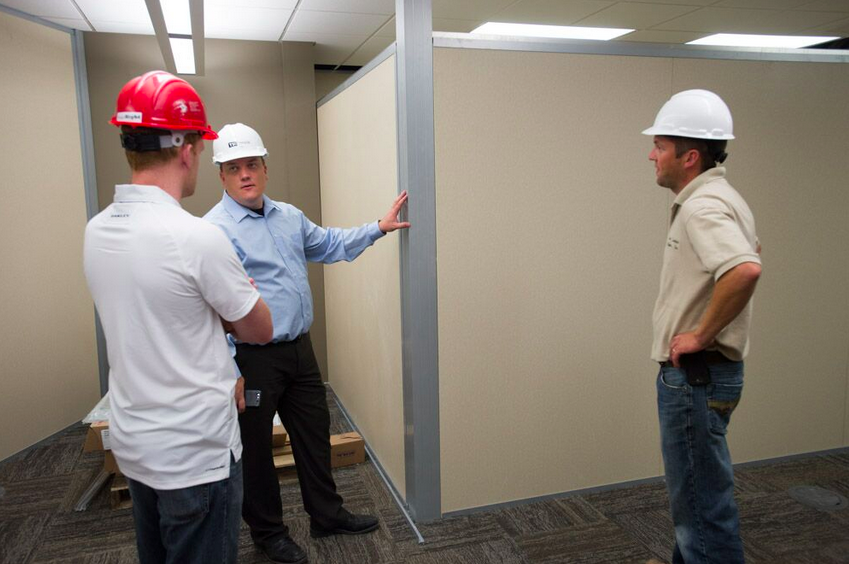
Incorporating demountable wall systems, such as those offered by Tranquil Systems, can significantly contribute to waste reduction. These systems are designed for reusability and adaptability, allowing for easy modifications during initial installation and future reconfigurations. By integrating such products, designers can enhance interior spaces' flexibility while minimizing construction debris.
Benefits of Waste Diversion Planning
Implementing a waste diversion plan yields multiple advantages:
- Cost Savings: Reducing material purchases and disposal expenses can lead to significant financial benefits.
- Environmental Impact: Minimizing landfill waste decreases environmental degradation and promotes resource conservation.
- Regulatory Compliance: Adhering to guidelines like those set by the Leadership in Energy & Environmental Design (LEED) can enhance a project's credibility and marketability.
Collaborative Planning for Effective Waste Management
Achieving waste reduction goals necessitates coordinated efforts among building owners, architects, designers, and construction managers. Early planning and clear communication ensure that sustainable practices are integrated throughout the project lifecycle, resulting in measurable environmental benefits for future generations.